TL Insights
Back to TL Insights
Personal Data Protection: The State Cybersecurity Agency (ACE) Strengthens the Supervision and Compliance Framework


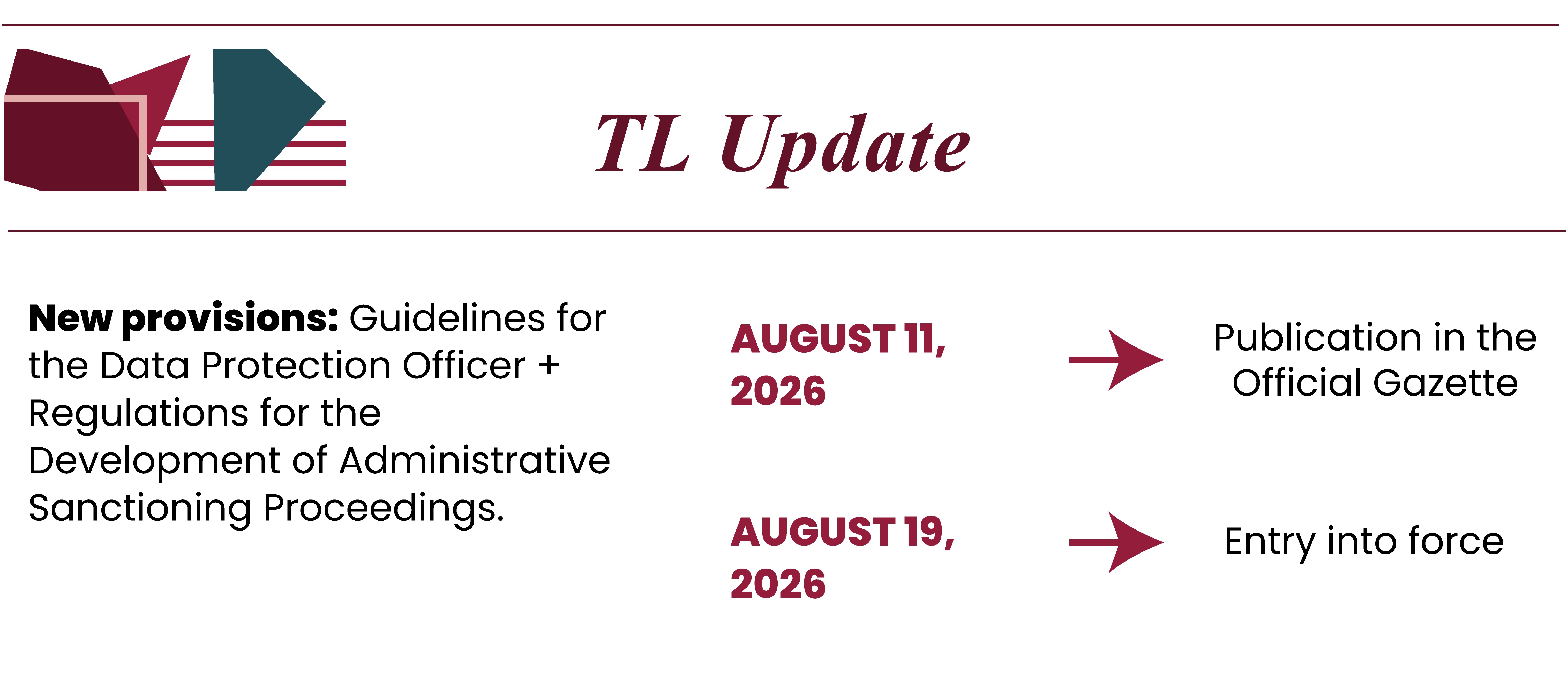
Personal data protection in El Salvador is entering a phase of greater operational development and oversight. The Law protects all information that allows a natural person to be identified or identifiable, including information that, by its nature, requires a higher level of protection. With the publication of the new Guidelines for the Data Protection Officer and the Regulations for the Development of Administrative Sanctioning Proceedings, the State Cybersecurity Agency (ACE) establishes key aspects regarding who may serve as a Data Protection Officer, how their appointment must be formalized and registered, and how the Agency may investigate and sanction potential non-compliance. Both provisions were published in the Official Gazette on August 11, 2026, and entered into force on August 19, 2026.
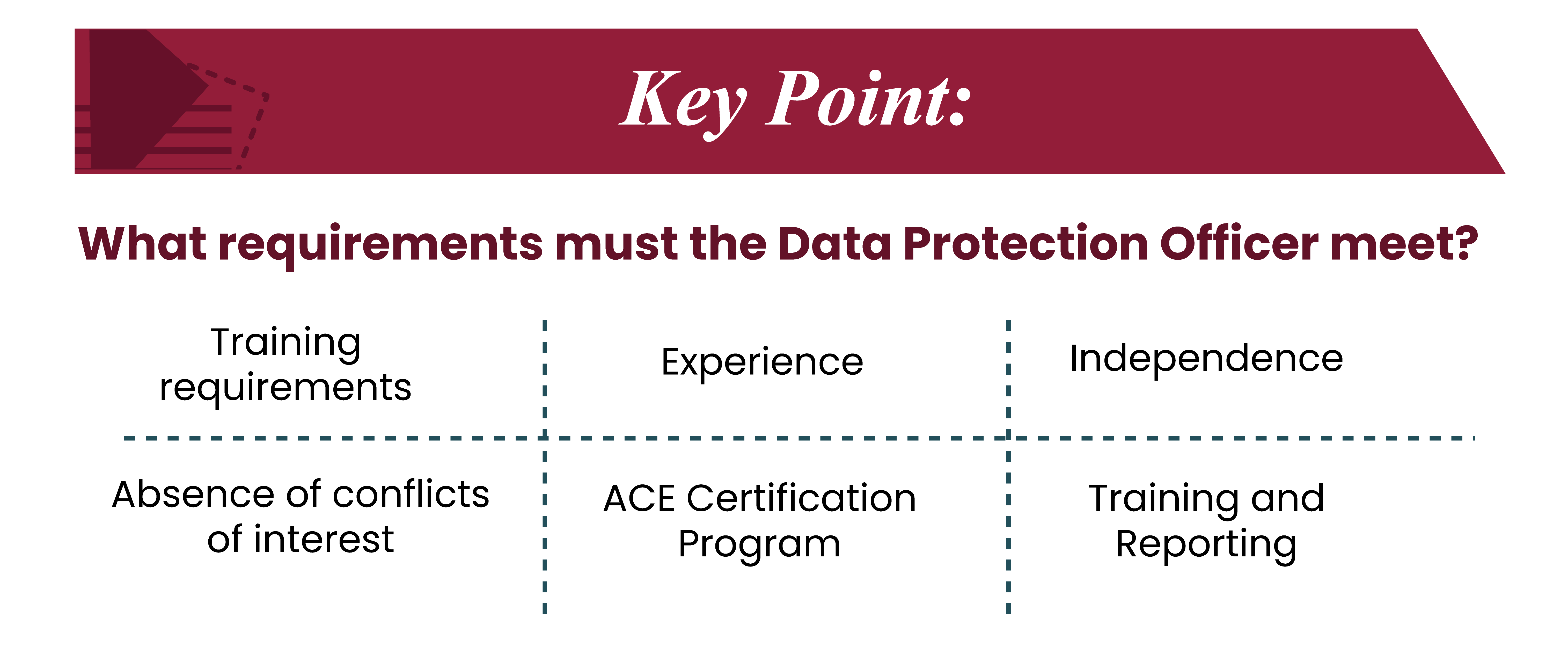
One of the most relevant aspects is that the Data Protection Officer can no longer be a merely formal designation or simply be assigned to any person within the company or entity. The new Guidelines establish specific requirements regarding training, experience, independence, and the absence of conflicts of interest, with preference given to professionals with a degree in Legal Sciences. In addition, the Data Protection Officer must undergo the certification program implemented by the ACE and comply with ongoing training and reporting obligations, as well as obligations related to addressing ARCO-POL rights.
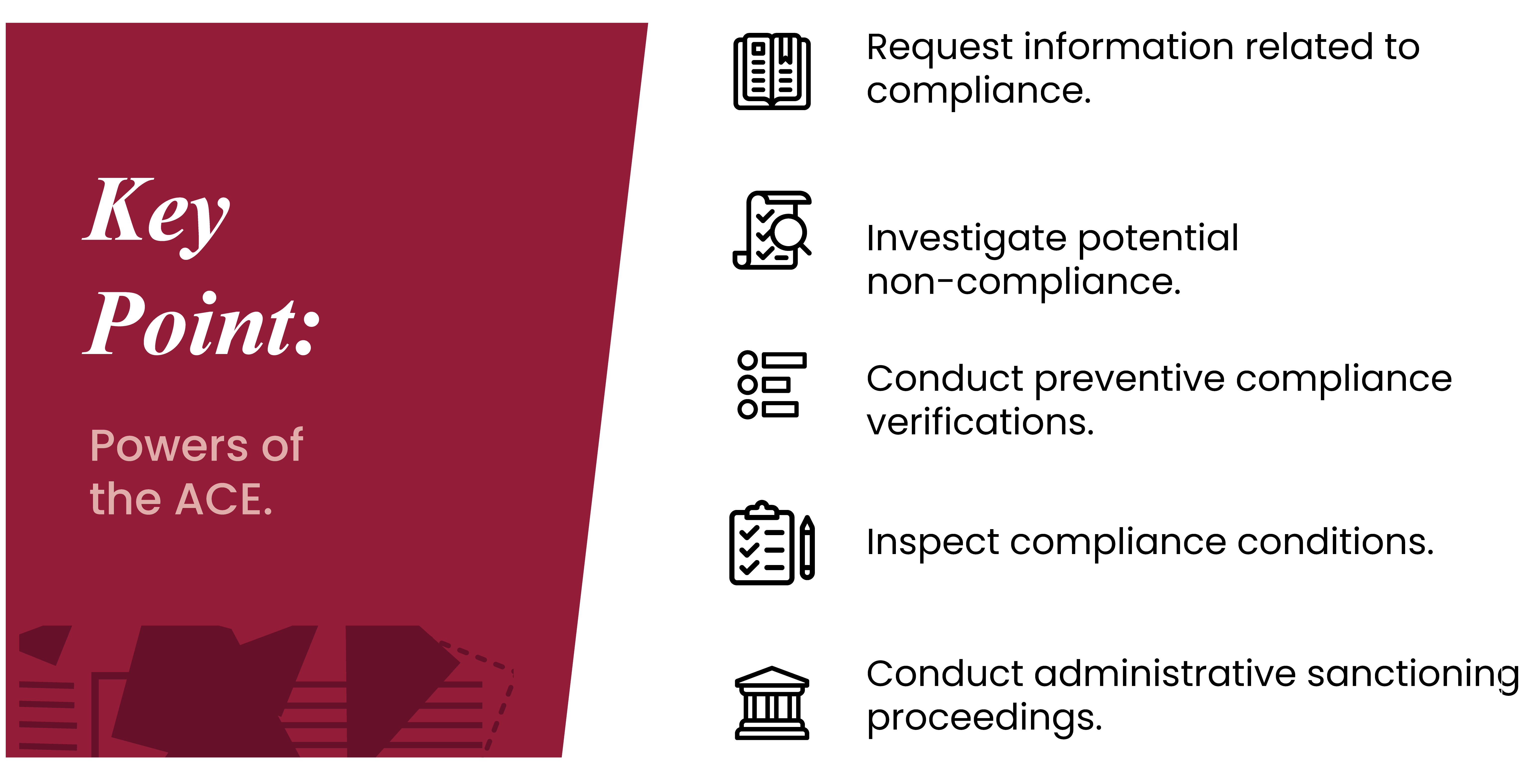
 This is complemented by the fact that the ACE now has specific rules to investigate potential non-compliance, request information, conduct inspections, and administer administrative sanctioning proceedings, including through preventive compliance verifications. For regulated entities, this means reviewing not only whether they have a Data Protection Officer, but also whether their appointment, profile, documentation, and other compliance measures meet the new requirements and can be substantiated before the authority.
 The entry into force of these provisions requires organizations to review their compliance framework and ensure that their implemented measures can be substantiated before the authority. To learn more about how these new provisions may affect your company or entity, you can contact our team
Next articles in this category

September 2026
Reforms to the Law for the Promotion of Investment Expansion
The Legislative Assembly approved the reform to the Law for the Promotion of Investment Expansion on September 9, 2026. The reforms will enter into force eight days after their publication in the Official Gazette. The amendments broaden access to the regime by reducing the minimum operating history requirement, allowing participation by corporate groups, easing exclusion rules, and introducing a new methodology for calculating the tax credit.

September 2026
New Professional Liability Rules For Urban Development And Construction
El Salvador has enacted a new Special Law on Professional Liability regulating the planning, design, execution, supervision, control, and maintenance of urban development and construction projects. The law applies to natural and legal persons subject to registration in the Registry of Professionals and Service Providers for Urban Development and Construction. It entered into force on September 19, 2026, as communicated by the Directorate of Territorial Planning and Construction (DOT) on September 21, 2026. As of the date of this publication, the law is not yet available for consultation on the Official Gazette’s website.

August 2026
CNAD Circular No. 008-2026: New Data Protection Compliance Requirements
The National Commission of Digital Assets (CNAD) issued Circular No. 008-2026, addressed to Digital Asset Service Providers and Certifiers, through which it communicates the Guidelines for Personal Data Protection Delegates issued by the State Cybersecurity Agency (ACE).
August 2026
Personal Data Protection Law in El Salvador: Everything You Need to Know About the CNAD’s New Provisions
Digital Asset Service Providers and Certifiers overseen by the National Digital Assets Commission (CNAD) must review the designation, profile, and registration of their Personal Data Protection Delegate, as well as establish an institutional communication channel with the State Cybersecurity Agency (ACE), in accordance with the new personal data protection provisions in El Salvador.